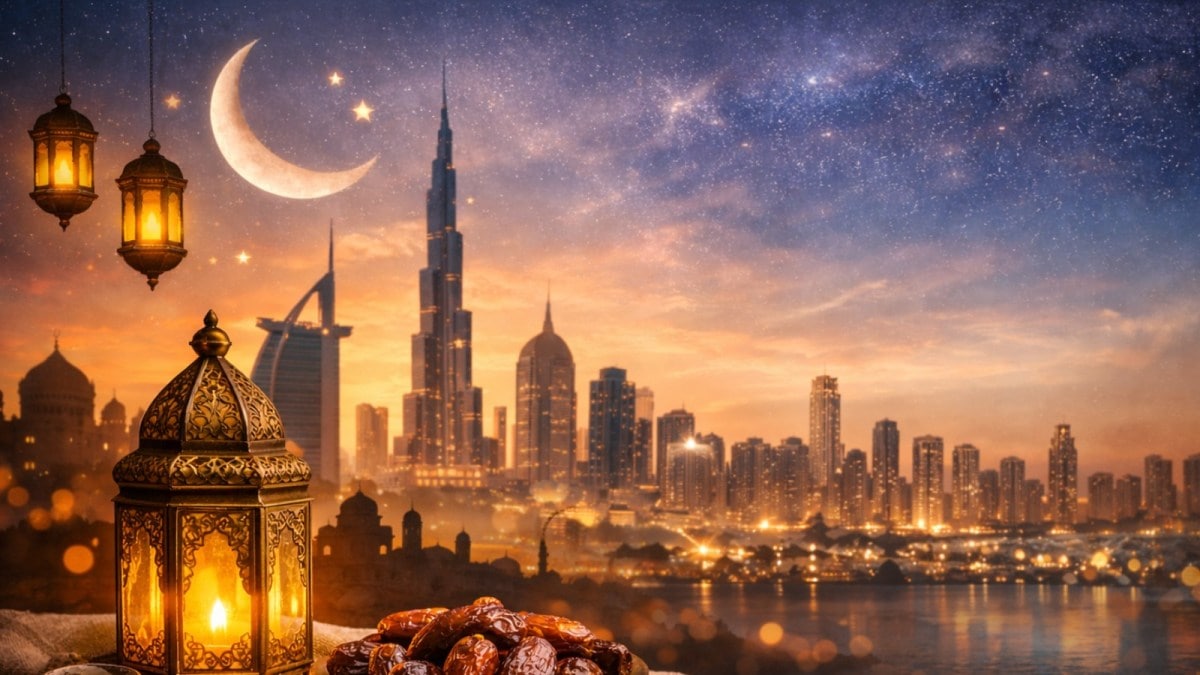
The short answer
Ramadan is arguably the best time to visit Dubai for several compelling reasons: hotel prices drop 30-40%, major attractions have 50% fewer crowds, the weather is ideal (high 20s°C), and the city offers cultural experiences — iftar feasts, suhoor lounges, mosque visits, the Ramadan cannon — that are unavailable the rest of the year. The only trade-offs: no clubs, reduced live music, and daytime dining requires visiting hotel restaurants.
Hotel prices drop 40%. The crowds thin. And the city reveals a side it hides the other eleven months.
Every year, thousands of potential visitors cross Dubai off their March itinerary because Ramadan falls in the same month. They've heard the restaurants close. They've heard you can't drink. They've heard it's restrictive and boring and somehow less than.
They're wrong. And the people who visit during Ramadan know they're wrong. Which is why they keep coming back.
The Economics: Your Money Goes Further
Let's start with the numbers, because Dubai has always respected numbers.
Hotel rates during Ramadan vs. peak season (December-January):
| Hotel Category | Peak Season | Ramadan | Savings |
|---|---|---|---|
| 3-star | AED 500/night | AED 300/night | 40% |
| 4-star | AED 900/night | AED 550/night | 39% |
| 5-star | AED 1,800/night | AED 1,100/night | 39% |
| Ultra-luxury | AED 4,000/night | AED 2,400/night | 40% |
That's not a marginal discount. A couple staying in a five-star hotel for a week saves approximately AED 4,900 (roughly USD 1,335) during Ramadan compared to peak season. That's the cost of two return flights from London.
The Crowds: Space to Breathe
Dubai's attractions during Ramadan are noticeably less crowded:
- ◆Burj Khalifa At The Top: Peak wait time drops from 90 minutes to 20
- ◆Dubai Mall: Weekday mornings are practically empty
- ◆Gold Souk: You'll have merchants' full, unhurried attention
- ◆Museum of the Future: Walk-in tickets readily available
- ◆Desert safaris: Smaller groups, more personal experience
For photography enthusiasts, Ramadan Dubai is a dream. Popular spots that are normally clogged with selfie sticks open up. The light in March is golden, soft, and unrelentingly photogenic.
The Weather: Perfect
Ramadan in 2026 falls in late February through late March. The weather during this period is Dubai at its absolute best:
- ◆Temperature: 22-30°C (72-86°F)
- ◆Humidity: Low (30-45%)
- ◆Rain: Rare
- ◆Sunshine: 10+ hours daily
Compare this to the summer months (June-September) when temperatures exceed 45°C and the humidity makes outdoor activity genuinely dangerous. Or the peak tourist season (December-January) when the weather is similar but hotels cost twice as much.
The Culture: Experiences You Can't Buy in November
This is Ramadan's real proposition for visitors. The holy month unlocks experiences that simply don't exist during the rest of the year:
Iftar — Communal Dining at Scale
Where else can you eat with 300 strangers in a tent decorated like a palace, all breaking bread at the exact same second? Iftar is the meal that breaks the fast, and in Dubai it ranges from AED 30 street plates to AED 500 hotel spectacles. Either way, it's an experience you cannot replicate in December.
Suhoor — The Late-Night Social Scene
Dubai's suhoor culture has replaced clubbing during Ramadan. From 10pm to 3am, the city gathers in atmospheric tents, rooftop lounges, and historic courtyard cafés for what is arguably the most genuinely social experience Dubai offers. No dress code snobbery. No table-minimum pressure. Just food, conversation, and Arabic coffee refilled until you physically stop the waiter.
The Ramadan Cannon
A 200-year-old cannon fires at sunset to signal the end of the fast. Stand by the creek and listen. You'll remember it.
Open Mosque Events
Jumeirah Mosque and others hold nightly events where visitors of all faiths are welcomed, fed, and given gentle, no-pressure introductions to Islamic practice.
The Generosity
This is harder to quantify but impossible to miss. During Ramadan, Dubai's default mode shifts from transactional to generous. Shopkeepers offer tea. Taxi drivers refuse tips. Hotel staff go out of their way. The city softens.
The Trade-Offs (Honest Assessment)
Ramadan isn't without compromises for visitors:
- ◆No clubs. If clubbing is central to your Dubai plans, pick another month.
- ◆No brunches. Dubai's legendary Friday brunches pause during Ramadan.
- ◆Daytime dining requires awareness. You'll eat at hotel restaurants or in screened areas — not difficult, but different.
- ◆Reduced live music. Bars tone down entertainment.
- ◆Earlier alcohol service end times at some venues.
For most visitors, these trade-offs are trivial compared to the gains. You're trading clubs for cannon-fire sunsets. Brunches for midnight suhoor tents. Generic tourist experiences for something genuinely rare.
The Verdict
Ramadan is the best time to visit Dubai for anyone who wants to see the city beneath the marketing. The prices are lower. The weather is perfect. The crowds are manageable. And the experiences are available nowhere else on earth, at no other time of year.
The visitors who come during Ramadan don't come despite the holy month. They come because of it.