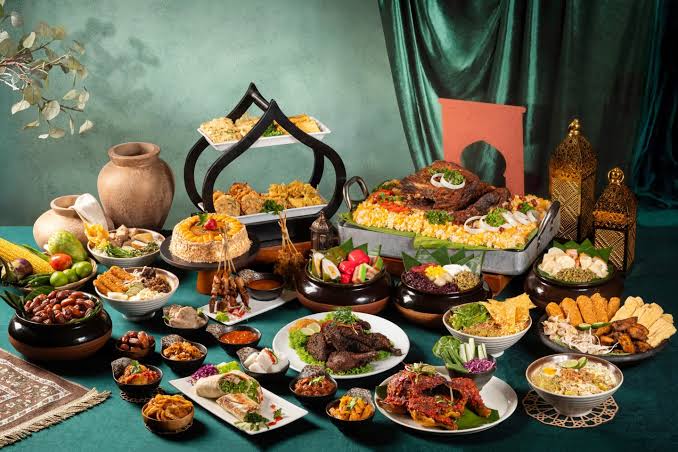
The short answer
The five must-try Ramadan dishes in Dubai are: harees (slow-cooked wheat and lamb porridge), luqaimat (crispy dumplings with date syrup), thareed (bread-and-lamb stew), machboos (spiced rice with meat), and kunafa (shredded pastry with molten cheese). These dishes are available at hotel iftars, traditional restaurants, and street stalls throughout the holy month.
Harees looks like porridge. It tastes like three hours of patience.
That's the thing about Ramadan food in Dubai — it's not designed to impress your Instagram. It's designed to nourish a body that hasn't eaten since dawn. Every dish on a Ramadan table has a purpose: dates for quick sugar, laban for hydration, harees for slow-release energy, kunafa for the soul.
These five dishes define Ramadan eating in Dubai. Skip them, and you've missed the month's flavour entirely.
1. Harees — The Soul of Ramadan
What it is: Wheat berries and lamb, slow-cooked for 3-4 hours until they dissolve into a smooth, porridge-like consistency. Finished with ghee and a sprinkle of cinnamon.
Why it matters: Harees is the oldest dish on the Emirati Ramadan table — archaeological evidence suggests versions of it date back to the 10th century in the Gulf. It's the first thing many Emiratis eat after the cannon fires, because it's gentle on a fasting stomach and releases energy slowly through the night.
Where to find it:
- ◆Al Fanar Restaurant (Festival City) — AED 38, served in a traditional clay pot
- ◆Aseelah at Radisson Blu (Deira) — AED 45, one of the best in the city
- ◆Any hotel iftar buffet — it's always there, usually near the soup station
Insider tip: The best harees has been cooked for at least three hours. If you can see distinct grains of wheat, it wasn't cooked long enough.
2. Luqaimat — Ramadan's Sweet Addiction
What it is: Small, round dumplings, deep-fried until crispy on the outside, fluffy within, then drizzled with date syrup (dibs) or honey and sprinkled with sesame seeds.
Why it matters: Luqaimat is the Ramadan snack — the thing people make at home, the thing that appears on every iftar table, the thing children steal from the kitchen before the cannon fires. It's simple, addictive, and impossible to eat just one.
Where to find it:
- ◆Logma (multiple locations) — AED 25, modern take with Nutella and lotus options alongside traditional date syrup
- ◆Arabian Tea House (Al Fahidi) — AED 18, classic preparation
- ◆Street stalls in Deira and Karama — AED 10-15 for a plate
3. Thareed — The Prophet's Favourite Dish
What it is: Thin regag bread torn into pieces and layered with a slow-cooked lamb and vegetable stew. The bread absorbs the broth and becomes a texture somewhere between pasta and dumpling.
Why it matters: Thareed holds religious significance — it's referenced in hadith as a favoured dish of the Prophet Muhammad. In the UAE, it's a centrepiece of Ramadan family meals, often prepared by grandmothers using recipes passed through generations.
Where to find it:
- ◆Al Fanar Restaurant — AED 55, prepared traditionally with lamb
- ◆Seven Sands (several locations) — AED 48, Emirati fine-casual with excellent thareed
- ◆Home-cooked iftars — if you're invited to an Emirati home during Ramadan, this is likely what you'll be served
4. Machboos — The Rice That Tells a Story
What it is: Spiced rice (flavoured with loomi, saffron, turmeric, and bezar) layered with slow-cooked lamb, chicken, or fish. Think of it as the UAE's answer to biryani, but with a distinct Khaleeji spice profile.
Why it matters: Machboos is daily food in the UAE, but during Ramadan it takes on ceremonial importance. Families prepare large batches to share with neighbours and those in need — a tradition called "iftar distribution."
Where to find it:
- ◆Siraj (DIFC) — AED 78, upscale Emirati with exceptional chicken machboos
- ◆Al Tawasol Restaurant (Deira) — AED 30-40, generous portions, local crowd
- ◆Any home kitchen in the UAE — machboos is to Emiratis what Sunday roast is to the British
5. Kunafa — The Finale
What it is: Shredded phyllo pastry (kataifi) layered over soft, stretchy cheese (usually akkawi or nabulsi), baked until golden, then soaked in sugar syrup scented with rose water and orange blossom.
Why it matters: Kunafa is dessert as spectacle. At the best iftar buffets, the kunafa station is a live performance — the pastry pressed into a hot pan, the cheese melted, the syrup poured while guests watch. It's the full stop at the end of the iftar sentence.
Where to find it:
- ◆Firas Sweets (multiple locations) — AED 15-25, the city's best-known kunafa
- ◆Ewaan iftar buffet (Palace Downtown) — included in the AED 350 iftar, made to order
- ◆Al Samadi Sweets (Deira) — AED 12-20, no-frills excellence
The Common Thread
What connects these five dishes isn't technique or even flavour. It's patience. Every one of them requires time — hours of slow cooking, careful layering, extended frying. They are dishes built by people who understand waiting, because waiting is what Ramadan is about.