The short answer
During Ramadan in Dubai, dress modestly in public: cover shoulders and knees, avoid sheer or very tight clothing. Swimwear is fine at hotel pools and beaches. For iftar and suhoor events, smart-casual is appropriate. At mosques, women should bring a headscarf. The dress code isn't dramatically different from the rest of the year — just slightly more conservative.
Nobody will arrest you for wearing shorts. But the city will tell you something with its eyes.
Dubai has always had an unwritten dress code — a sliding scale of expectation that shifts depending on where you are, who's around, and what time of year it is. During Ramadan, the dial turns one notch toward modesty. Not dramatically. Not oppressively. But noticeably.
Understanding this calibration is one of the small acts of cultural fluency that separates a good trip from a great one.
The General Rule
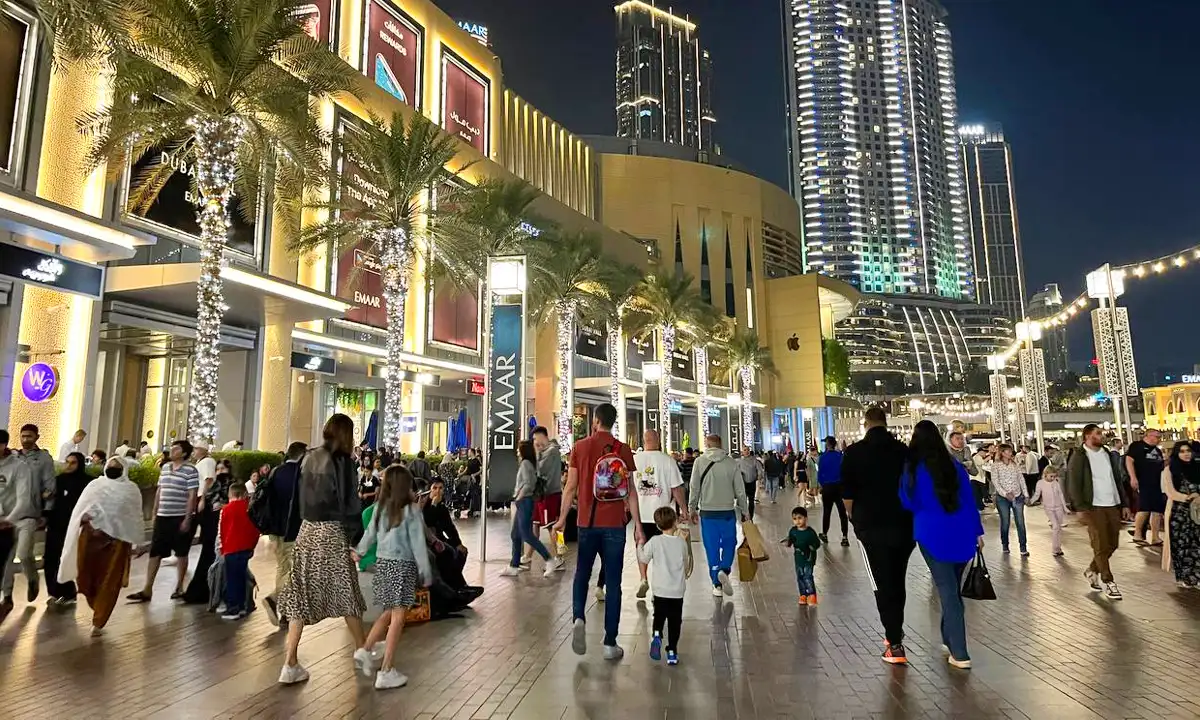
Think European cathedral, not beach resort. Shoulders covered, knees covered, nothing excessively sheer or tight. This applies to public spaces: malls, souks, streets, metro, and taxis.
This isn't a Ramadan-specific rule. Dubai's standards for public dress are consistent year-round. But during the holy month, people are more attuned to it, and you'll feel the difference.
Location-by-Location Guide
Beaches & Pools
Wear whatever you want. Bikinis, board shorts, one-pieces — all fine. Dubai's beach culture is unaffected by Ramadan. The exception: cover up when walking from the beach to a restaurant or shop. A sarong or cover-up does the job.
Malls
Cover shoulders and knees. Most Dubai malls have dress code signs at entrances year-round. During Ramadan, enforcement is slightly more visible. A T-shirt and jeans? Perfect. A crop top and micro-shorts? You might be asked to cover up.
Old Dubai & Souks
More conservative. Al Fahidi, Deira, and the souk areas are traditional neighbourhoods. Loose-fitting clothing that covers arms to the elbow and legs to the knee shows respect and draws less attention. This applies equally to men and women.
Hotels & Restaurants
Smart-casual for iftar and suhoor. Hotel Ramadan events are social occasions. For iftar tents: think linen trousers, button-down shirts, midi dresses, elegant kaftans. Nobody wears suits, but nobody shows up in flip-flops either.
Mosques
Dress conservatively. If you visit a mosque (such as Jumeirah Mosque's Open Iftar), women should cover their hair, arms, and legs. Men should wear long trousers. Many mosques provide abayas and kanduras at the entrance for visitors who need them.
What to Pack for Ramadan in Dubai
A capsule wardrobe that works everywhere:
For women:
- ◆2-3 lightweight maxi dresses or midi skirts
- ◆A loose linen shirt that covers the upper arms
- ◆One headscarf (light fabric, neutral colour)
- ◆A kaftan or elegant long dress for iftar/suhoor events
- ◆Comfortable sandals for souk walking
- ◆Swimwear + a cover-up
For men:
- ◆Linen or cotton trousers (2-3 pairs)
- ◆Short-sleeve button-down shirts
- ◆One smart long-sleeve shirt for evening events
- ◆Light chinos or tailored shorts (knee-length)
- ◆Comfortable closed-toe shoes for walking
Colours
This is a small thing that makes a big difference. During Ramadan, Dubai's colour palette shifts toward earth tones, white, and muted metallics. You don't need to match it, but wearing screaming neon to a suhoor tent will feel conspicuous in a way it wouldn't at a beach club.
Neutral tones — white, beige, olive, navy, soft gold — blend beautifully with Ramadan's aesthetic.
The Real Point
Clothing during Ramadan isn't about restriction. It's about calibration. Dubai is asking you to read the room — and the room, during Ramadan, is quieter, warmer, and more reflective than usual. Dressing to match isn't submission. It's conversation.