Zamalek is an island in the middle of the Nile and behaves like one: quieter, greener and slower than the districts on either bank. It holds embassies, the Cairo Opera House at its southern end, and the densest run of galleries, bookshops and restaurants in the city. If Cairo has been loud, this is where people come to recover.
26th of July Street is the spine
Almost everything worth stopping for sits on or just off it — Diwan, the bookshop that started Cairo's independent bookselling scene in 2002, Abou El Sid for Egyptian cooking in a room styled like a 1930s apartment, and a run of cafés that stay open late.
The Opera House is on the island
The Cairo Opera House complex sits on the southern tip of Gezira. Programming runs from Verdi to Arabic classical, tickets are inexpensive by European standards, and the grounds are pleasant even if you are not going in.
Walk the side streets
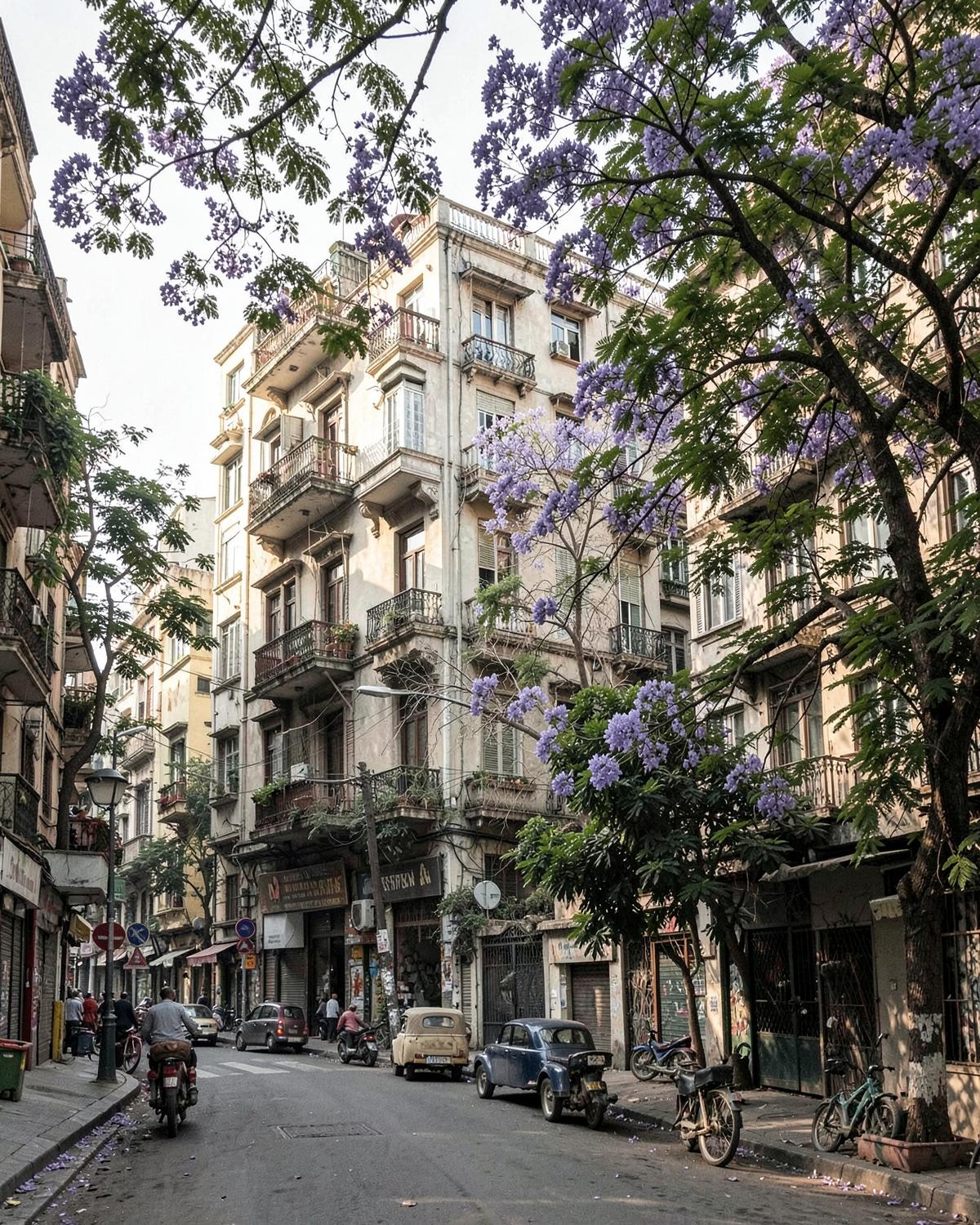
The rewarding part of Zamalek is not the main road but the residential grid behind it: early twentieth-century apartment blocks with deep balconies, banyan and jacaranda trees, and street corners that look nothing like the rest of the city.
Eat late
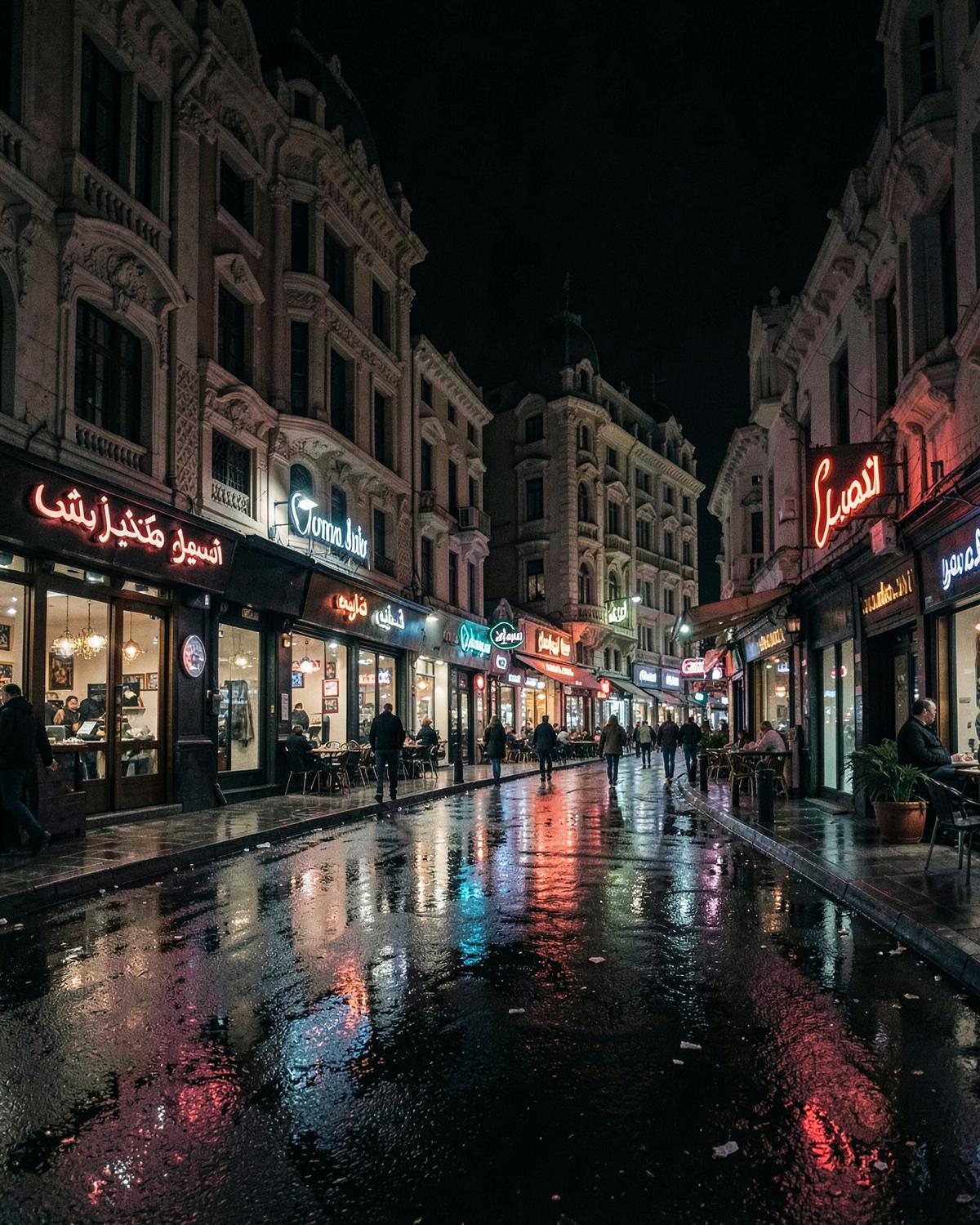
Cairo dines late and Zamalek later. Tables fill from around nine, and the neighbourhood's cafés run past midnight — which is when the island is at its best.
Know before you go
- Zamalek is walkable end to end; the rest of Cairo is not. Plan to stay put once you are here.
- Cards are widely accepted here, unlike in the old city.
- Traffic on the bridges is heavy at rush hour — allow far more time than the distance suggests.
- Several galleries close on Sundays; most restaurants do not.